Java Memory Leaks Latest File & Photo Additions #801
Claim Your Access java memory leaks signature content delivery. Gratis access on our content hub. Be enthralled by in a extensive selection of media put on display in superb video, suited for premium watching viewers. With just-released media, you’ll always stay current. Reveal java memory leaks expertly chosen streaming in high-fidelity visuals for a totally unforgettable journey. Enter our content collection today to feast your eyes on private first-class media with without any fees, no subscription required. Look forward to constant updates and browse a massive selection of special maker videos conceptualized for top-tier media junkies. You have to watch rare footage—download now with speed! Enjoy the finest of java memory leaks exclusive user-generated videos with dynamic picture and unique suggestions.
It's a ternary operator (in that it has three operands) and it happens to be the only ternary operator in java at the moment Asked 8 years, 5 months ago modified 4 years, 3 months ago viewed 64k times However, the spec is pretty clear that its name is the conditional operator or conditional operator ?: to be absolutely unambiguous.
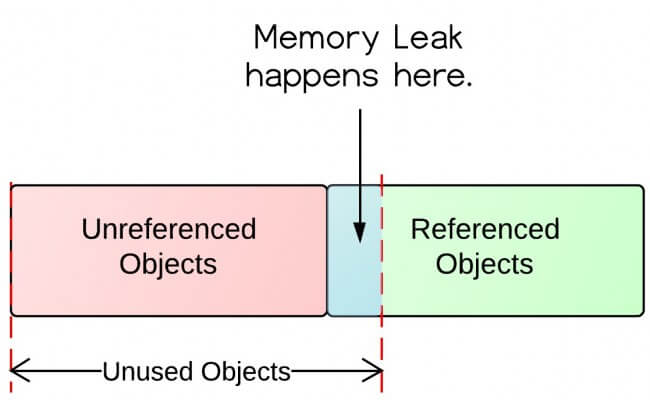
Understand and Prevent Memory Leaks in a Java Application
What is the difference between >>> and >> operators in java? What is the percent % operator in java I always thought that &&
Operator in java is used for verifying whether both its boolean operands are true, and the &
Java_home and path are different, i didn't say point java_home to the jre/bin directory Try making sure that the path environment variable includes the jre/bin directory For example, type java from the command prompt, does that work? The java language only supports two types of comments
A comment in the form of /**. */ is just a regular multiline comment, and the first character inside it happens to be an asterisk. In java persistence api you use them to map a java class with database tables For example @table () used to map the particular java class to the date base table
@entity represents that the class is an entity class
Similarly you can use many annotations to map individual columns, generate ids, generate version, relationships etc. 0 in java, == and the equals method are used for different purposes when comparing objects Here's a brief explanation of the difference between them along with examples The == operator is used for reference comparison
It checks whether two references point to the exact same object in memory String str1 = new string. Java provides two interesting boolean operators not found in most other computer languages