Leaking Radiator Fluid Under Engine Entire Media Library #970
Start Streaming leaking radiator fluid under engine exclusive media consumption. No subscription costs on our media destination. Surrender to the experience in a endless array of hand-picked clips ready to stream in high definition, flawless for discerning viewing enthusiasts. With brand-new content, you’ll always stay on top of. Experience leaking radiator fluid under engine arranged streaming in ultra-HD clarity for a deeply engaging spectacle. Link up with our community today to witness private first-class media with at no cost, no subscription required. Get fresh content often and explore a world of unique creator content designed for premium media experts. Be sure to check out special videos—download fast now! Witness the ultimate leaking radiator fluid under engine specialized creator content with lifelike detail and preferred content.
Common reasons for a coolant leak some of the most common reasons to see coolant under the car are a leaking radiator hose, a bad water pump or a loose radiator hose clamp Signs of a leaking head gasket include white smoke from the exhaust, milky oil, and your engine running hot. Leaks can also be caused by a bad thermostat housing, a worn intake manifold gasket, a bad heater core, a damaged radiator or cap, or a blown head gasket.
What Does It Mean When Coolant Is Leaking Under The Car at Aaron Copeley blog
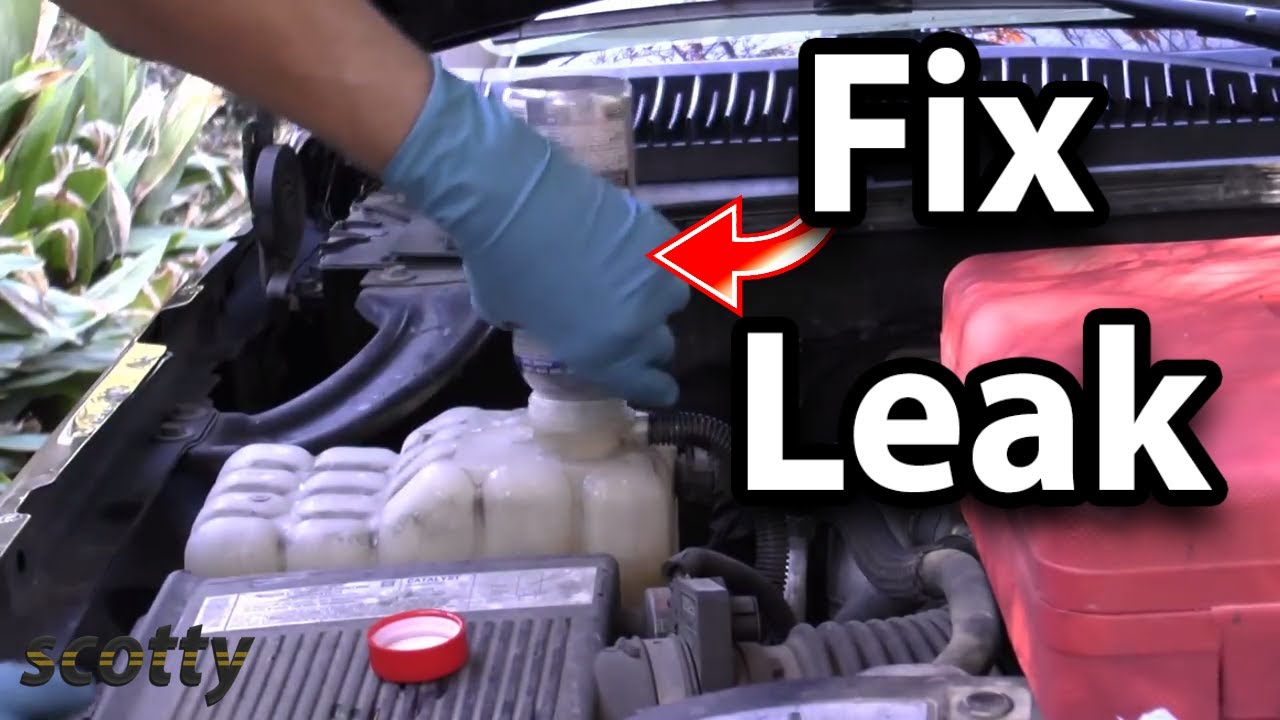
Do you want to quickly stop coolant leaking from your car and prevent engine damage If it becomes warped or damaged, radiator fluid can escape, leading to overheating and potential engine damage This guide shows simple checks and fixes to save your car and money.
The radiator is located directly behind your car’s grille
It holds about a gallon of engine coolant If the radiator or radiator hoses are leaking, the leak will form a liquid puddle under the front of your vehicle Coolant colors vary and can be green, blue, red, pink, yellow, orange, and even purple To determine if it’s coolant, touch the liquid and roll it between your fingers (or don.
Understanding coolant leaks coolant is an essential fluid That is, if you do not have the right amount of fluid, you are asking for serious trouble that may include substantial engine damage As such, you should routinely check your car’s coolant levels If you regularly find that you are adding new fluid to your system, there is a good chance you have a coolant leak
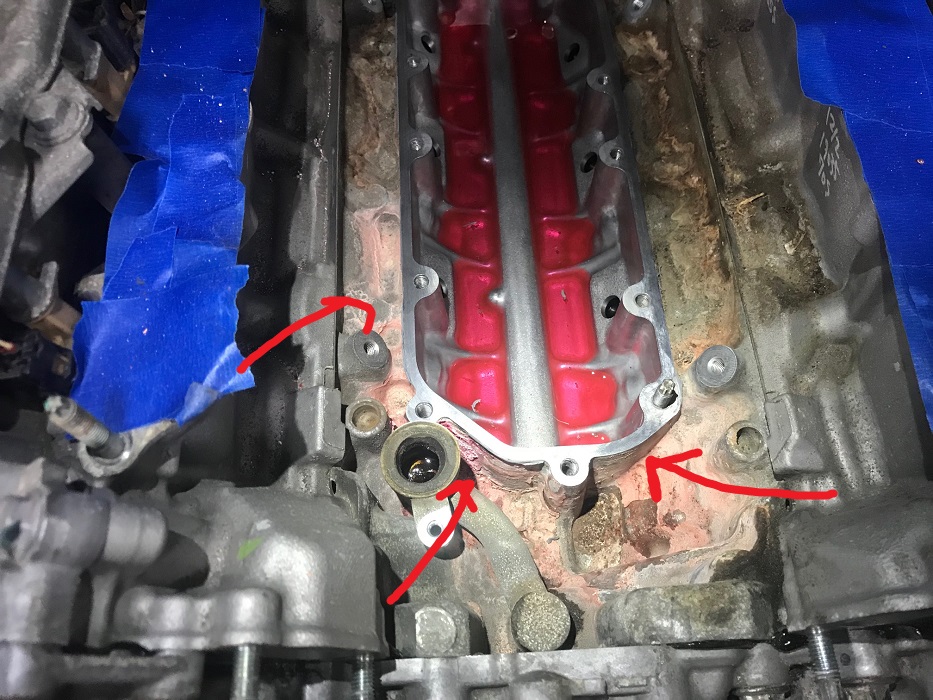
Discover the vital signs of coolant leaks and learn where they originate in your car with this informative article
From worn hoses to faulty radiators, we discuss common leak sources, symptoms to watch for, and essential diagnostic methods Regular inspections, pressure testing, and proactive maintenance tips are highlighted to help prevent overheating and costly engine damage The head gasket seals the engine block and cylinder head, preventing fluid from leaking into and out of the engine