Normally Sodium And Potassium Leakage Channels Differ Because Full Media Package #982
Access Now normally sodium and potassium leakage channels differ because deluxe internet streaming. No hidden costs on our entertainment center. Get captivated by in a treasure trove of themed playlists exhibited in HDR quality, a must-have for deluxe watching devotees. With just-released media, you’ll always know what's new. Check out normally sodium and potassium leakage channels differ because tailored streaming in life-like picture quality for a completely immersive journey. Become a patron of our online theater today to view exclusive premium content with for free, no subscription required. Receive consistent updates and browse a massive selection of exclusive user-generated videos crafted for top-tier media experts. Don't forget to get singular films—begin instant download! Access the best of normally sodium and potassium leakage channels differ because distinctive producer content with vibrant detail and curated lists.
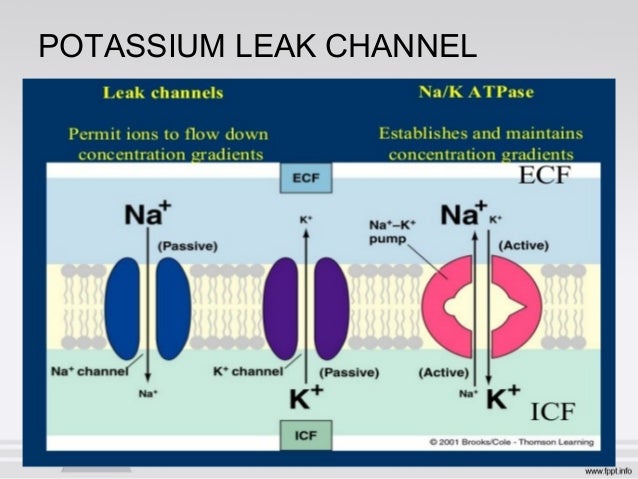
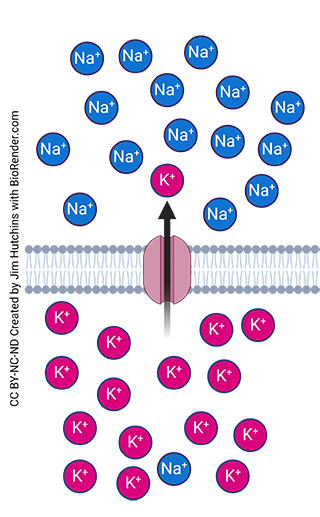
In summary, the primary difference highlighted in option a is correct 1.in a typical cell at rest, sodium ions tend to leak slowly into the cell through sodium leakage channels while potassium ions leak out through potassium leakage channels. Sodium ions diffuse into the cell through ungated channels, while potassium ions diffuse out of the cell
Cell Membrane
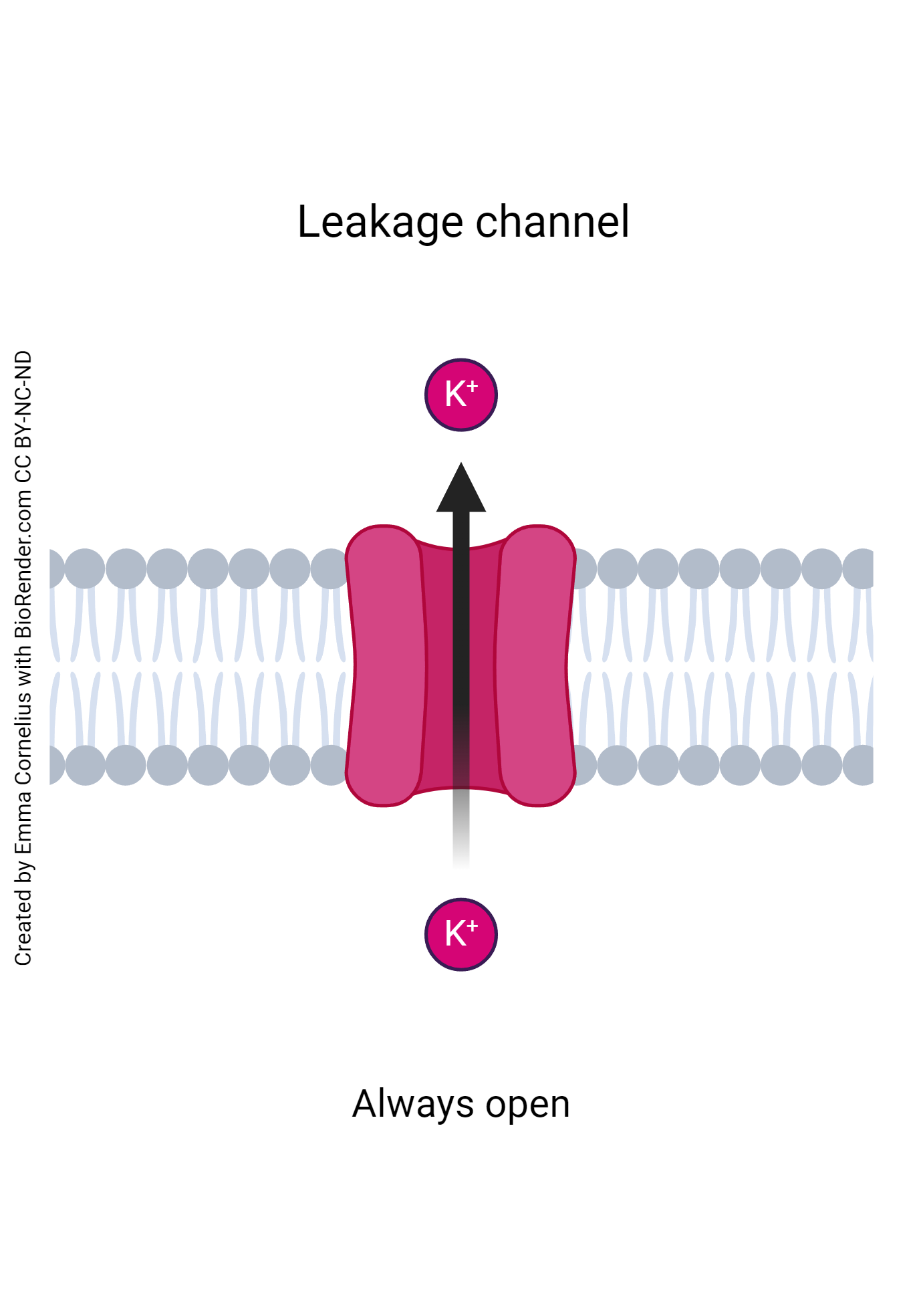
This is a key distinction in how these channels function in maintaining ion balance within the cell. Normally, sodium and potassium leakage channels differ because sodium ions diffuse through leakage channels into the cell, but potassium ions diffuse through leakage channels out of the cell 014 2. This perpetual openness enables ions to move across the membrane according to their respective electrochemical gradients, ensuring a steady flow of ions.
In neurons, potassium ions are maintained at high concentrations within the cell while sodium ions are maintained at high concentrations outside of the cell
The cell possesses potassium and sodium leakage channels that allow the two cations to diffuse down their concentration gradient. Normally, sodium and potassium leakage channels differ because sodium leakage channels require atp to transport ions, but potassium leakage channels do not sodium ions diffuse through leakage channels into the cell, but potassium ions diffuse through. Significantly more potassium channels are open than sodium channels, and this makes the membrane at rest more permeable to potassium than sodium Sodium ions diffuse through leakage channels into the cell, while potassium ions diffuse through leakage channels out of the cell, maintaining the electrochemical gradient necessary for the resting membrane potential.